
F1 Non-stop Roadside & More · · 10 min read
Free Roadside Assistance Texas: What's Real and What Isn't
Free roadside assistance Texas drivers can get is limited to freeway patrols that rarely tow. See what state programs cover and when to call a paid truck.
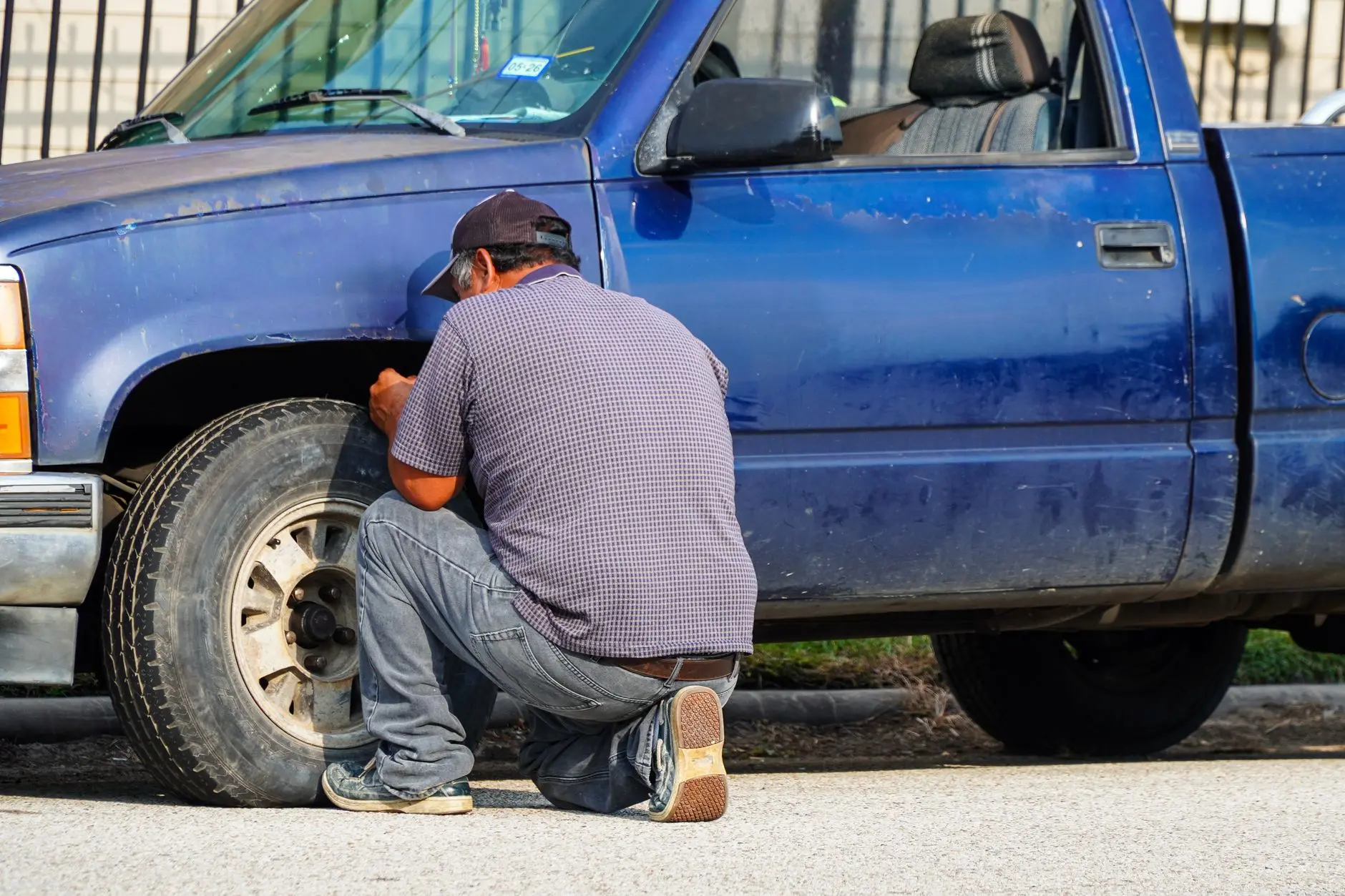
Free roadside assistance in Texas does exist, but it is narrower than most drivers assume. The state-supported programs patrol specific freeway corridors for stranded motorists in Austin and surrounding Texas communities, and most of them will not tow your car to a shop [1]. If you are on a shoulder of a patrolled freeway, free help may reach you. If you are in a parking lot, a driveway or a side street, it will not.
Here is the question worth asking before you dial: is your problem on a patrolled freeway, or is it anywhere else? That answer decides whether free roadside assistance texas programs can help or whether you need a paid truck that quotes the price before it rolls. F1 Non-stop Roadside & More dispatches around the clock across the Austin area, and we quote every job before dispatch so you know the cost up front.
Business Hours: Open 24/7, every day of the year, holidays included. Dispatch answers around the clock.
This guide covers each free program, the fine print nobody mentions, the honest answer on free tows, and a plain decision rule for calling the state number versus a local service.
Key Takeaways- State-supported freeway patrols are built to clear travel lanes, not to tow you to a repair shop [1].- The state's non-emergency reporting channel and Drive Texas connect you to help, but they do not guarantee a tow.- Free programs generally do not come to parking lots, driveways or surface streets, which is where most dead batteries and lockouts happen.- A paid local service quotes the job before dispatch, so you trade a small known cost for help anywhere and at any hour.- If anyone is hurt or the vehicle blocks traffic, call 911 first, then arrange recovery once the scene is safe.
What free roadside assistance programs actually exist in Texas
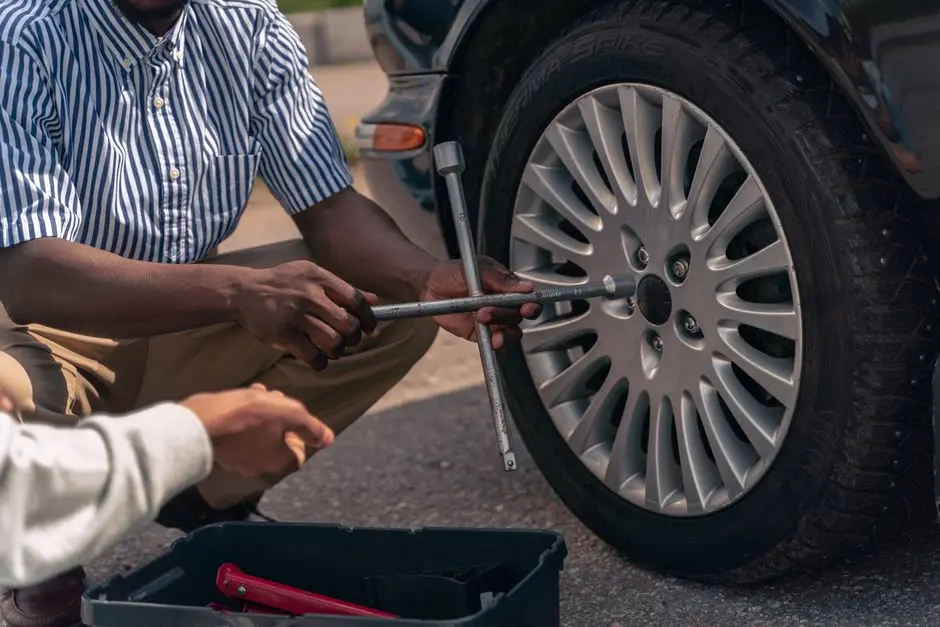
Texas runs several free or state-supported programs, and each one has a different job [1]. Knowing which one fits your situation saves you a call and a wait.
The TxDOT HERO freeway patrol program
HERO stands for Highway Emergency Response Operators. These are TxDOT trucks that patrol major freeway corridors to clear incidents and keep traffic moving [1]. A HERO truck can help with minor roadside problems and clear a stalled car out of a live lane. What it is not built for is hauling your vehicle to a shop across town. The program exists to protect the traveling public on state freeways, so its priority is the lane, not your repair appointment.
That difference shows up in how a call is handled. A patrol truck is clearing a lane, while a paid truck has to plan the load and the price. Our dispatch takes your exact location, the vehicle make, model and color, what happened, and a mobile number we can text before we quote the job. Those four details decide which truck and equipment we send.
The DPS 24-hour non-emergency line
The Texas Department of Public Safety maintains a 24-hour non-emergency reporting channel at 1-800-525-5555. Drivers use it to report hazards, disabled vehicles and other non-urgent road problems. Dispatch can route your report to the right agency, but the line is a reporting channel. It does not promise a tow truck at your bumper.
Drive Texas and the number on your license
The back of a Texas driver license carries a roadside number, and Drive Texas is the state's travel information service. Both are useful when you need to report a problem or check conditions. Neither one is a membership that sends a truck to your driveway.
City programs and similar services
Some metro areas run their own motorist assistance patrols. Houston TranStar's Motorist Assistance Program (MAP) patrols named Houston freeways, and the same corridor and no-tow limits apply [1]. Houston drivers use TranStar MAP on patrolled freeways and a paid local service anywhere off those corridors. The pattern holds across the state: these are freeway-corridor services funded to reduce congestion, and they operate where their sponsoring agency patrols [1].
The fine print: corridors, no-tow rules and limits nobody mentions
Four limits decide whether free help reaches you.
- Corridor limit. Patrols cover named freeways, not every road. A side street two blocks off the interstate is outside the route.
- No-tow rule. Most patrol programs clear a lane or get you moving. They do not haul the car to a shop of your choice [1].
- Location limit. Parking lots, driveways and private property fall outside a freeway patrol's job. That is where a large share of dead batteries, lockouts and flat tires actually happen.
- Vehicle condition. A dropped motorcycle that cannot roll needs the tech to plan the loading around the damage. A freeway patrol will not take that job.
What surprises drivers most is the gap between what a state program is funded to do and what a stranded driver needs. The state program protects traffic flow. You need your car moved, started or opened. Those are different jobs, and only one of them comes to a parking garage.
If you are stuck off the freeway, request help and tell dispatch your exact location. We quote the job before the truck is dispatched, so there is no guessing at the roadside. Every job is quoted before dispatch, from the service, your location and your vehicle, with no surprise fees at the roadside. You can also read our guide to 24/7 roadside assistance near me for what to expect when you call after hours.
Can you actually get a free tow in Texas? The honest answer
Usually not from a state program. Freeway patrols are funded to reopen lanes, and towing a vehicle to a shop is a different service with a different cost [1]. In our dispatch experience, a free tow in Texas usually comes from a membership plan you already pay for, a dealer or insurer benefit, or a good Samaritan with a strap. None of those is a state entitlement.
A typical scenario we hear: a driver on a freeway shoulder gets a patrol assist to move the car out of the lane, then learns the car still needs to reach a shop. The patrol did its job. The tow is a separate call. If the car went off the road after a crash, the order changes. If anyone is hurt or the vehicle is blocking traffic, call 911 first. Once the scene is safe, we can recover and tow the vehicle.
Heavy-duty vehicles change the math. A box truck, work van, motorhome or RV needs larger equipment and more time, which is why heavy-duty jobs are quoted per job rather than from a flat rate. You still get the price before we dispatch.
A dropped motorcycle is the other edge case. If the bike cannot roll, the tech plans the loading around the damage, and that is a job a freeway patrol will not take. Tell dispatch what is damaged when you call.
Free state help vs a paid local service: which one do you call?
Situation | Best first call | Why |
|---|---|---|
Disabled on a patrolled freeway lane, car can move | TxDOT HERO or the DPS non-emergency line | The patrol can clear the lane and protect traffic |
Dead battery in a parking lot or driveway | A paid local service | Patrols do not cover private property |
Flat tire with no spare | A paid local service with a tow | You need the vehicle moved, not just the lane cleared |
Keys locked inside, car intact | A paid local service with lockout tools | Purpose-made tools work around seals and linkages |
Box truck, RV or dropped motorcycle | A paid local service with the right equipment | Vehicle size and condition drive the truck and the plan |
Crash with injuries or a blocked lane | 911 first | Safety comes before recovery |
A quick decision rule for Austin drivers
If you are in a live lane on a patrolled freeway and the car can roll, call the state program and get out of traffic. If you are anywhere else, or the car cannot move under its own power, call a paid local service and get a quoted price before dispatch. That single rule covers most calls, and it is the fastest answer to free roadside assistance texas drivers need when they are off the freeway.
What each side does well
Free programs are excellent at protecting traffic on busy freeways, and they cost you nothing. A paid service covers surface streets, driveways, parking lots and freeway shoulders. It also handles the jobs a patrol is not equipped for. Battery replacement starts with a charging-system test because the alternator or starter may be at fault, so you are not sold a part you did not need. A dropped motorcycle's load is planned around the damage, which is why the right equipment matters more than a generic tow. Knowing which side fits keeps you from waiting on a truck that was never coming.
What free roadside assistance texas programs will not do for you
A few common beliefs are worth correcting, because they cost drivers time at the roadside.
- Lockouts damage the car. Purpose-made lockout tools work around door seals and linkages, so paint, glass and weatherstripping stay intact. A patrol may not carry them; a lockout service does.
- Fuel delivery fills your tank. A roadside fuel delivery brings enough (about two gallons) to reach the nearest station. It is the bridge, not the tank.
- Hybrids and EVs cannot be jumped. They still have a 12-volt battery that can go flat, and it can often be jump started.
- A jump start harms modern electronics. Done correctly with a dedicated jump pack connected in the manufacturer's order, it protects the control modules.
- Run-flat tires repair like normal tires. Most manufacturers advise replacing them rather than repairing them.
- Flooring the throttle gets you unstuck. It digs the tires in deeper and can overheat the transmission. Winching from proper recovery points, pulled slowly, is the safer path.
- Every no-start is a bad battery. The alternator or starter may be at fault, which is why we test the battery and charging system first.
- Every jump means a new battery. A battery drained by lights left on can recover fully after a good drive.
If your car will not start, book a jump start and we will test the battery and charging system before recommending a replacement. That check is the difference between a jump and a part you did not need.
Frequently asked questions
Is there a free roadside assistance in Texas?
Yes, but only through limited state and city programs. TxDOT HERO patrols specific freeway corridors, and the DPS non-emergency line can route a report [1]. Free roadside assistance Texas programs focus on clearing freeway lanes and generally do not tow you to a shop or come to a parking lot.
Does TxDOT have roadside assistance?
TxDOT runs the HERO freeway patrol program on major corridors [1]. HERO trucks help with minor roadside problems and clear travel lanes. They are not a general tow service, so a car that needs a shop still needs a separate tow.
What is 511 in Texas?
511 connects callers to Drive Texas, the state's travel information service. It is useful for checking road conditions and reporting problems. It is not a dispatch line that sends a tow truck to your driveway.
What is the non-emergency number for the Texas State Police?
The Texas Department of Public Safety non-emergency line is 1-800-525-5555, answered 24 hours a day. Drivers use it to report hazards and disabled vehicles. It routes your report to the right agency, but it does not promise a tow truck at your bumper.
How can I request roadside assistance in Houston, Texas?
On a patrolled Houston freeway, Houston TranStar's Motorist Assistance Program (MAP) can help clear a lane [1]. Off those corridors, or if the car cannot move, call a paid local service and get a quote before dispatch. Tell them your exact location, the vehicle make, model and color, what happened, and a mobile number they can text.
What are roadside assistance services?
Roadside assistance covers the jobs that get a driver moving again: towing, jump starts, flat tire changes, lockouts, fuel delivery, winching and battery replacement. A paid local service handles these anywhere and at any hour, while a free state program is limited to its patrol corridor.
Can I get roadside assistance without a membership?
Yes. You can call a local service directly without any membership or plan. F1 Non-stop Roadside & More quotes every job before dispatch, based on the service, your location and your vehicle, so you know the price before the truck rolls.
The bottom line on free roadside assistance in Texas
Free programs are real, and they are useful when you are stuck in a live lane on a patrolled freeway [1]. The trade-off is reach: they cover corridors, not driveways, and they rarely tow. If your car is off the freeway or cannot move, a paid local service is the faster path, and an upfront quote removes the surprise.
Start with the decision rule: freeway lane and the car rolls, call the state program; anywhere else, call a local truck. For free roadside assistance Texas drivers actually need at 2 a.m. in a parking lot, call F1 Non-stop Roadside & More at (737) 900-7700. Dispatch answers around the clock, every day of the year, and you get the price before we dispatch. You can also see our services or read how to request roadside assistance AAA step by step to compare a membership route against a direct call.