
F1 Non-stop Roadside & More · · 10 min read
TxDOT Roadside Assistance: How HERO Works
TxDOT roadside assistance (HERO) is free on Austin and San Antonio freeways but won't tow. Learn when HERO applies and what to do when it can't reach you.
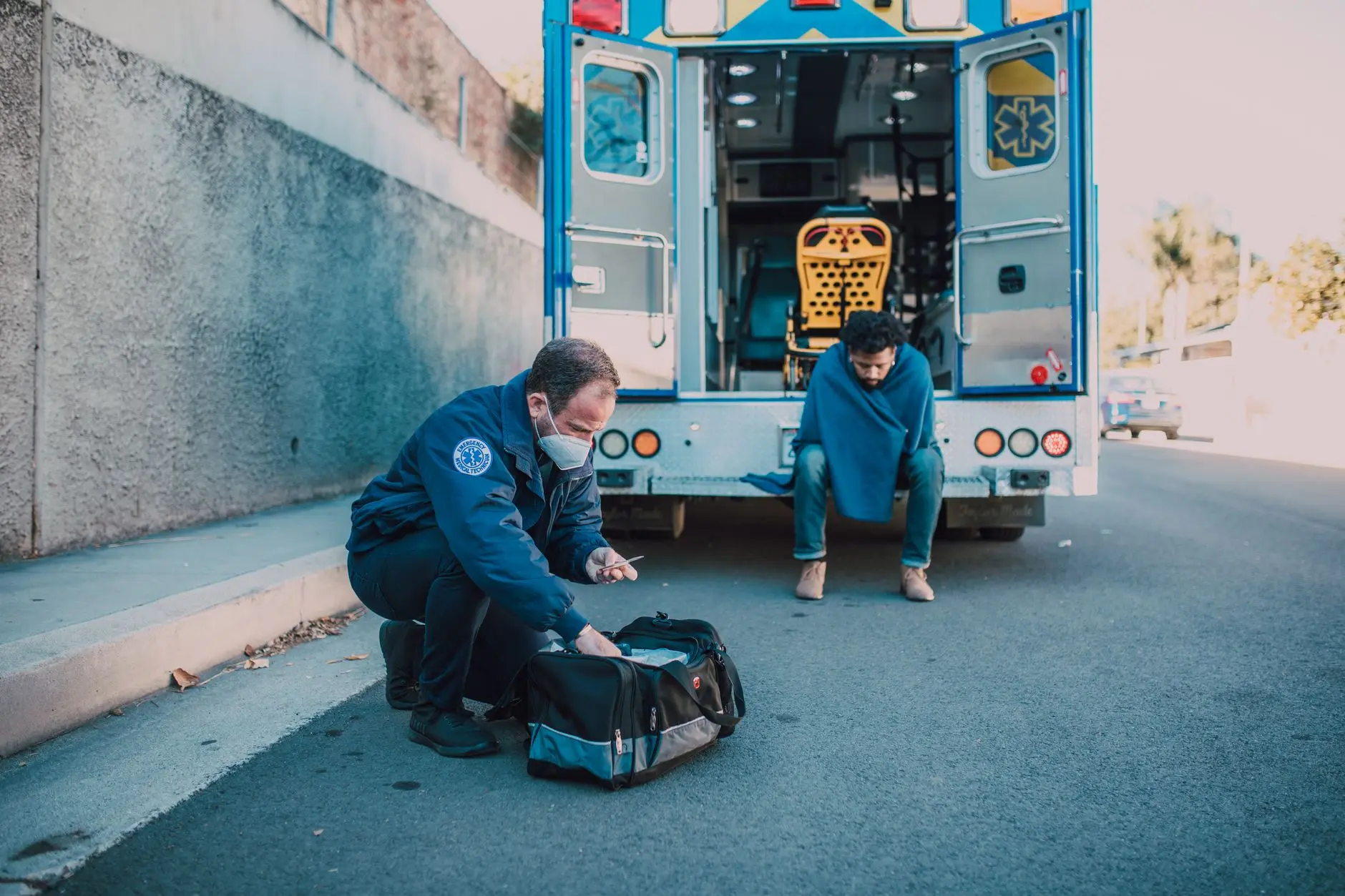
TxDOT roadside assistance, called the HERO program, is a free service that stops for stranded drivers on designated Austin and San Antonio freeways. It delivers fuel, a jump start, or a flat-tire change at no charge. It will not tow your vehicle and it only patrols specific highway corridors. If you are on a surface street, in a parking lot, or need a tow, you need a local 24/7 provider instead.
You have probably seen the white trucks idling on the shoulder and wondered who they actually help. This article walks through exactly who the program serves, the three free services it provides, and the phone numbers that reach it. The common failure path most drivers only learn the hard way: the patrol cannot leave the freeway to reach you. By the end you will know when to wait for the free service and when calling a private roadside provider first saves you an hour standing next to your car.
Key Takeaways- TxDOT HERO patrols I-35, US 183, US 290, SH 71, MoPac, and Loop 1604 corridors during peak hours and responds to calls on those freeways only.- The program provides fuel (roughly two gallons), battery jumps, flat-tire changes, and a push to the shoulder at no cost.- The program does not tow; if your car cannot drive away under its own power you still need a private wrecker.- When the free patrol is not an option, a local 24/7 roadside service quotes your job before the truck rolls so you know the cost upfront. Learn how 24/7 roadside works near you.
What is TxDOT's roadside assistance (HERO) program?
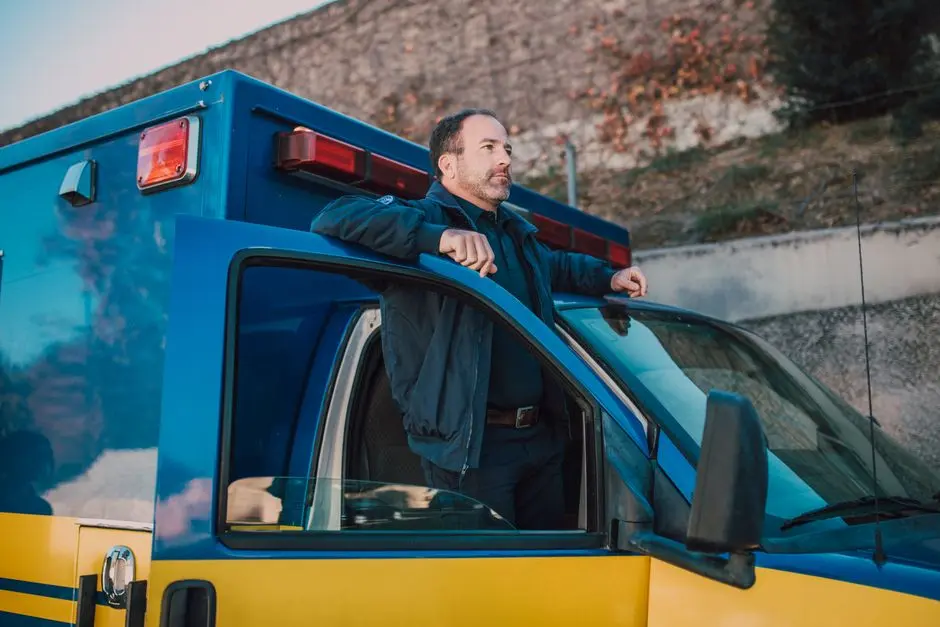
The Highway Emergency Response Operator program is a free motorist-assist patrol run by the Texas Department of Transportation. It operates on Austin and San Antonio freeways during daytime and evening hours. A trained operator in a marked white truck can reach a disabled vehicle on its covered corridors within minutes.
Here is what the program actually delivers, drawn from dispatch knowledge of the Austin freeway system:
- Fuel delivery. The operator carries a small amount of gasoline or diesel, enough to get you to the nearest station. They are the bridge to the pump, not the tank. They bring about two gallons.
- Battery jump starts. The operator uses a dedicated jump pack connected in the manufacturer's order to protect your vehicle's control modules.
- Flat-tire changes. The operator will swap your flat for a working spare if you have one in the trunk.
- Push-out from travel lanes. If your vehicle is blocking a lane, the operator can push it to the shoulder so traffic moves and the scene stays safe.
The biggest gap most drivers do not realize until they need it: the patrol does not tow. If the engine seized, the transmission failed, or a crash left the car undriveable, you still need a private wrecker. That distinction is the reason our drivers know the exact freeway exits where the free coverage ends and a customer's call to us begins.
What HERO provides - and what it won't do
Every service is paid for by TxDOT, so the driver at the roadside pays nothing. The fuel they carry is not metered; they pour in what is needed to get you rolling again, usually about two gallons. The jump start uses a portable lithium pack rather than cables from the truck. This keeps the voltage spike away from sensitive ECUs.
One limitation worth knowing: the operator cannot change a tire if you have no spare. They also cannot repair a puncture. The operator will offer to call a wrecker for you, but that tow will be at your expense through a private company.
The biggest catch: the patrol does not tow
A call like this reaches us every week. A driver on a freeway gets a jump start from the patrol, but the car still will not crank. The operator confirms the alternator or starter is at fault, not the battery. The program cannot move the vehicle any farther. The driver still needs a tow to a shop. Our dispatch quotes the tow before the truck leaves, and the driver is off the freeway quickly.
That scenario plays out every week. The free service resolves minor disablements that let you drive away. For anything that leaves the car stranded, the program is only the first call, not the last one.
Where the TxDOT roadside assistance patrols: Austin and San Antonio freeway corridors
The patrol trucks are stationed along specific high-congestion freeways. In Austin the routes cover I-35, US 183, US 290, SH 71, and MoPac. In San Antonio the program runs on I-10, I-35, I-37, US 90, US 281, and Loop 1604. The trucks are not on every mile of those roads at all times; they stage at known choke points during peak traffic hours. For the current patrol schedule and the exact dispatch number for your city, call 511 or check the TxDOT contact page[1].
If you break down on a frontage road, an on-ramp that has not yet merged, or any surface street, the patrol will not be dispatched to you. The program's mandate is the freeway mainlanes. A driver who runs out of gas on the South First Street exit ramp is outside the service area even though the freeway is 200 feet away. When you call us instead, our dispatch asks for your exact location as a street, an exit, or a mile marker. We also need the vehicle make, model, and color, and a mobile number we can text. That is what lets us quote the job before the truck rolls, no matter which road you are on.
What to expect when you call us
When you call (737) 900-7700, dispatch answers around the clock, every day of the year, holidays included. Here is how a typical call flows:
- You give us the location. Provide your exact spot - a street address, an exit number, or a mile marker. We can reach you wherever the vehicle is and it is safe to work, whether that is a parking lot, your driveway, or a highway shoulder.
- We build a quote. We ask for the vehicle make, model, and color, and what happened. Because every job is quoted before the truck is dispatched, we factor in the service you need, your location, and your vehicle right on the call. No surprise fees at the roadside.
- We dispatch the right tech and truck. If it is a flat tire with no spare, a motorcycle that has been dropped and cannot roll, or a heavy-duty vehicle, we plan the loading and equipment around the damage or size before the truck leaves the shop.
- We text you updates. The mobile number you provide lets us keep you informed on the tech's progress.
Who to call: the TxDOT roadside assistance numbers, the DPS line, and when 911 is the right call
Three numbers matter when you are stuck on a Texas freeway:
- 511. The Texas statewide traveler information line can connect you to the TxDOT roadside assistance dispatch center that covers your location. It is the fastest way to reach the right number when you do not know which city's program serves the freeway you are on.
- TxDOT's contact page. For the TxDOT HERO program phone number for each city and the current patrol hours, visit the department's contact page[1].
- 911. Call 911 first if anyone is hurt, if the vehicle is blocking a travel lane and you cannot reach the shoulder, or if a crash has left debris across the road. Once the scene is safe, the free patrol or a private roadside provider can handle the vehicle.
The Houston TranStar Motorist Assistance Program runs a similar freeway patrol in the Houston area[2]. If you are in Austin and call a Houston number you found online, you will lose time while they redirect you. See how to request roadside help step by step.
The TxDOT roadside assistance patrol can't reach you? What to do on surface streets and parking lots
The free program is a freeway-only service. If you are on a surface street, in a parking lot, at home, or on a rural highway, the program cannot help you. That is the failure path no forum thread or news clip covers. It is the moment a local 24/7 roadside service becomes the faster call.
A motorcyclist dropped his bike on a gravel pull-off near SH 71 last spring. The bike would not roll, the patrol could not leave the freeway, and the rider had no way to load it himself. He called us, told dispatch the bike was damaged and could not roll. The tech planned the loading around the damage before he left the shop. The rider was off the shoulder and on the way to a dealer within the hour.
When you call a private provider, have your exact location ready: a street address, a mile marker, or a cross street. Give the dispatcher the vehicle make, model, and color, describe what happened, and provide a mobile number that can receive texts. Every job is quoted before the truck is dispatched, from the service, the location, and the vehicle. There are no surprise fees at the roadside. Read what free roadside help in Texas actually covers.
When a local 24/7 service is the faster call
A private roadside service reaches you on any public road, at any hour. It offers the full range of help the free patrol does not: towing, lockouts, winching, heavy-duty recovery, and motorcycle loading. If you need a tow, local or long-haul, a private provider is your only option. If you are on a surface street, the same applies. If you drive a heavy-duty vehicle - a box truck, a work van, a motorhome - the patrol's equipment is not sized for it. You need a provider with the right truck from the start. See our towing services.
What are roadside assistance services?
Roadside assistance covers the help you need when your vehicle cannot move under its own power. The core services include towing local or long haul, jump starts, flat tires, lockouts, fuel delivery, winching, battery replacement, and motorcycle and heavy-duty towing. A freeway patrol like TxDOT roadside assistance handles a narrow slice of those. A private 24/7 provider handles all of them, on any road, quoted before the truck rolls.
Is AAA roadside assistance available in Texas?
Yes, AAA operates in Texas and members can request service through the club's dispatch line. The key difference from TxDOT roadside assistance is that AAA is a membership you pay for annually. The tow distance you get depends on your membership tier. A private pay-per-job provider quotes each call individually with no membership required. If you are not a AAA member, or your membership has a short tow limit, a local provider is the direct path to a tow.
Frequently asked questions
Does TxDOT have roadside assistance?
Yes. TxDOT runs the free patrol on major Austin and San Antonio freeways. It provides free fuel, jump starts, flat-tire changes, and push-outs during patrol hours. The service does not tow and does not leave the freeway corridors.
Is TxDOT roadside assistance really free?
Yes. The program is funded by TxDOT, so the driver at the roadside is not charged for the services the operator provides. The private wrecker bills you for any tow that follows the stop.
How long does the TxDOT roadside assistance patrol take to arrive?
Response time depends on where the nearest truck is when the call comes in. On a covered freeway during patrol hours, a truck can often reach you quickly. Outside patrol hours, on weekends, or during a major incident that ties up the fleet, the wait can stretch longer. Call 511 for the current dispatch number and an estimate based on your location.
What is 511 in Texas?
511 is the Texas statewide traveler information line. You can dial it for road conditions, traffic updates, and to be connected to the dispatch center that covers your location. It is the fastest way to reach the right number when you do not know which city's program serves the freeway you are on.
Can a jump start damage my car's electronics?
Done correctly with a dedicated jump pack connected in the manufacturer's order, a jump start protects the control modules. The real risk is assuming every no-start is a dead battery. The alternator or starter may be at fault. That is why our techs test the battery and charging system before recommending a replacement. A battery drained by lights left on can recover fully after a good drive.
What should I have ready when I call for roadside help?
Your exact location as a street, an exit, or a mile marker. The vehicle make, model, and color. What happened, and a mobile number we can text. That information lets us quote the job before the truck is dispatched. The price is settled before we leave the shop.
Before you decide
- Confirm you are on a freeway mainlane the TxDOT roadside assistance patrol actually covers, not a frontage road or surface street.
- Check whether your disablement is something the free service can fix on the spot or whether you will still need a tow.
- Have your exact location, vehicle description, and a callback number ready before you call any roadside provider.
- If your vehicle is heavy-duty or a motorcycle that cannot roll, skip the free patrol and call a provider equipped for your vehicle from the first call.
- Know that a private roadside service quotes your job before the truck rolls, so you never face a surprise charge at the roadside.
When the free patrol is the right call, it is a fast, free way back on the road. When it is not, knowing the difference before you dial saves you a long wait and a second call. If you are stuck on a surface street, in a parking lot, or need a tow anywhere in the Austin area, call us at (737) 900-7700. We answer 24 hours a day, every day of the year. We quote every job before the truck is dispatched so the price is settled before we leave the shop.